


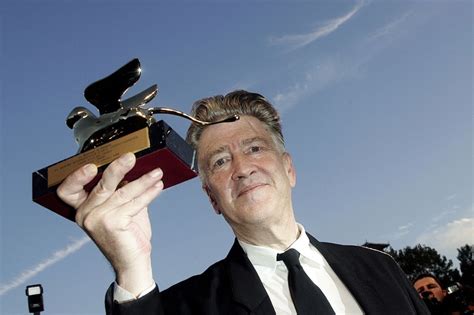
David Lynch, the iconic filmmaker, artist, and cultural pioneer whose work pushed the boundaries of storytelling and surrealism, has passed away five days before his 79th birthday. Known for his ability to marry the dreamlike with the nightmarish, Lynch’s career spanned decades, earning him a devoted following and cementing his legacy as one of the most distinctive voices in cinema.
Born on January 20, 1946, in Missoula, Montana, Lynch’s creative journey began with painting and short films, culminating in his debut feature, Eraserhead (1977). This experimental horror quickly established him as a singular talent. Over the years, he would go on to craft some of the most enigmatic and influential films of all time, including Blue Velvet (1986), Mulholland Drive (2001), and Lost Highway (1997), as well as the groundbreaking television series Twin Peaks.
A Filmmaker of Dreams and Nightmares
Lynch’s works often delved into the subconscious, offering audiences a lens into the bizarre and unsettling aspects of human nature. He described his creative process as “catching the big fish,” a metaphor for diving into the deep recesses of the mind to unearth surreal and powerful ideas. His films rarely adhered to linear narratives, instead unfolding like dreams—or perhaps nightmares—where time, space, and identity blur together.
I am grateful that Lynch has left us his thoughts on film and art through his Masterclass videos. Perhaps they can provide further insight into the enigmatic meanings of his films. His reflections on creativity have always been as fascinating as the work itself, offering a glimpse into a mind that embraced contradictions, uncertainties, and the beauty of the inexplicable.
In 2001, the University of the Philippines’ Film Institute invited Monsieur Gruneberg, a French film critic, to deliver a lecture. A professor at UP and I invited him to dinner afterward. During our conversation, he asked me what recent film I admired most. Without hesitation, I answered Lost Highway. Our UP professor companion disagreed, expressing strong dislike for the film. To my surprise, Monsieur Gruneberg defended Lynch with passionate intensity, asserting, “Only those who truly understand films can appreciate Lost Highway.”
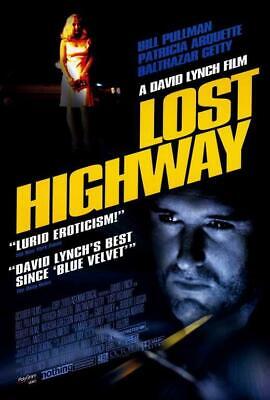
Lost Highway, a precursor to Mulholland Drive, pushed the envelope even further. Its story of identity fragmentation and existential dread challenged viewers to piece together a narrative where characters inexplicably transform into other people and timelines loop back on themselves. While praised for its audaciousness and visual style, Lost Highway was polarizing. Some critics argued that its focus on atmosphere over coherence felt self-indulgent, but others heralded it as a bold meditation on guilt, memory, and the destructive power of desire.
Every time I showed the film to my film class students, they would inevitably freak out. It was a cinematic experience that left many of them unsettled, yet utterly captivated. I opted not to assign written reviews for Lost Highway, choosing instead to foster open discussions, allowing students to grapple with its mysteries in their own ways.
Best Film of the 21st Century
The BBC asked 177 film critics from 36 countries to list their Top 10 choices for Best Film of the 21st Century. The top choice was Mulholland Drive, Lynch’s magnum opus.
Mulholland Drive epitomized his surrealistic style with its non-linear narrative. It’s fascinating to think that this masterpiece was originally conceived as a TV pilot. In 1990s TV interviews, Lynch spoke of his plans for future series after the success of Twin Peaks. It’s hard to imagine Mulholland Drive as anything but a film—its labyrinthine exploration of Hollywood’s dark underbelly, ambition, and identity feels so perfectly suited for the big screen.
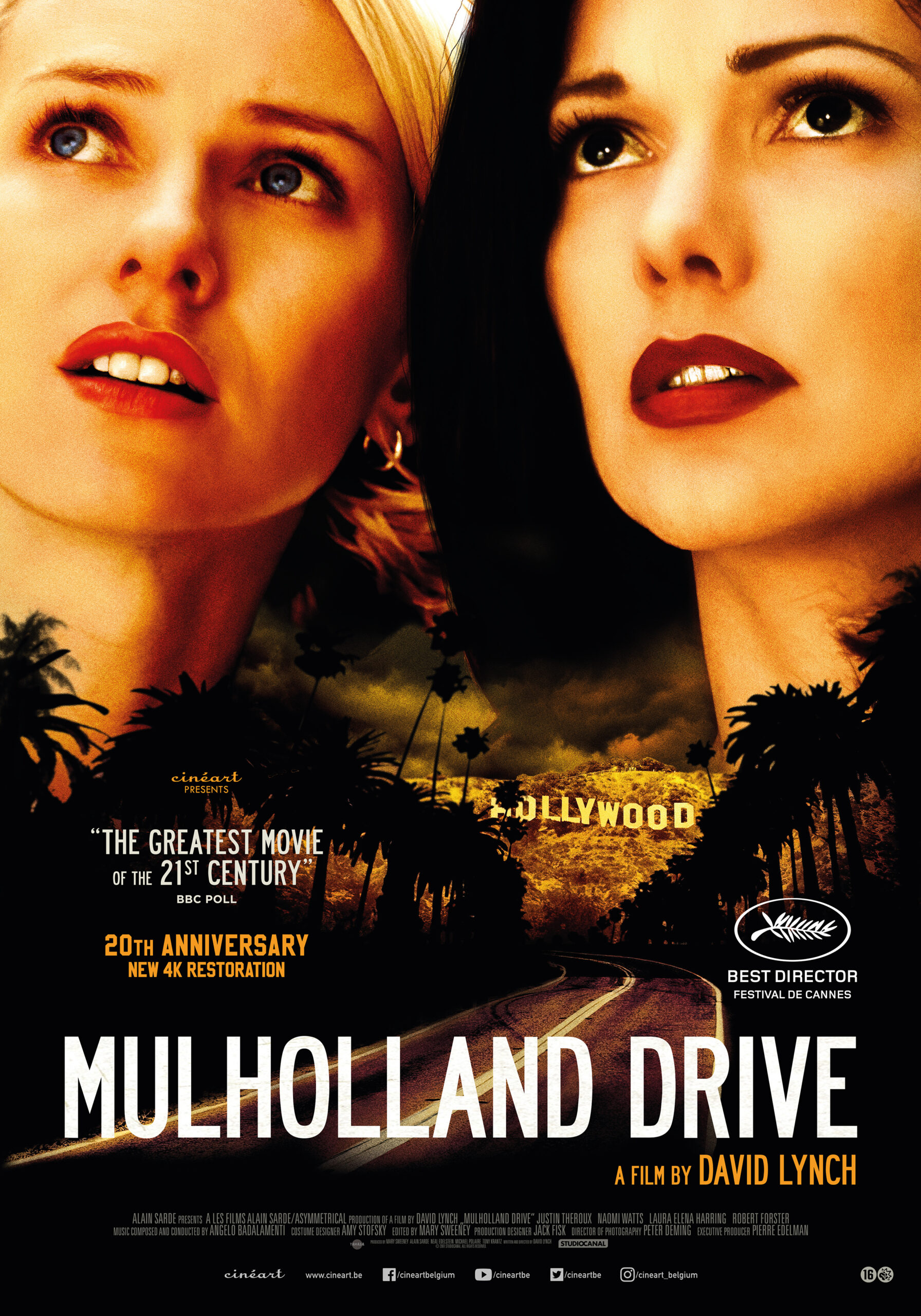
Naomi Watts’ transformative performance as Betty/Diane remains one of the film’s most enduring legacies. In interviews, Watts often credited Mulholland Drive as the film that made her career, allowing her to showcase her dramatic range.
I found that the film’s fragmented structure and haunting imagery had a similar effect on my students as Lost Highway. While it was more accessible, it still left them mystified. I always ask students to critique Mulholland Drive, urging them to put their immediate impressions into writing. In the following class meeting, we would unravel its intricacies together. By the end of the semester, or even years later, many of them would tell me that it had become one of their favorite films.
Critics have called Mulholland Drive a masterpiece, but it is not without detractors. For some, its ambiguous narrative—a story seemingly split between dreamlike wish fulfillment and stark reality—veers too far into abstraction, leaving viewers alienated. Yet, this ambiguity is also its greatest strength, demanding repeated viewings and interpretations, which solidified its place in cinematic history.
A Legacy Beyond Film
Beyond his films, Lynch was a prolific painter, musician, and advocate for transcendental meditation. He viewed creativity as a holistic process, and his multidisciplinary pursuits only deepened his mystique. His David Lynch Foundation, which promotes meditation as a tool for healing and creativity, stands as a testament to his belief in unlocking human potential.
Lynch’s impact on cinema and popular culture is immeasurable. He inspired generations of filmmakers, from Christopher Nolan to Denis Villeneuve, who cite his ability to craft immersive and unsettling worlds as a profound influence.
In an era where algorithms often dictate formulaic storytelling, Lynch’s work stands as a reminder of the power of unfiltered imagination. His films challenged audiences to embrace the unknown, the uncomfortable, and the inexplicable.
David Lynch’s passing marks the end of an era, but his work will endure, as mystifying, haunting, and beautiful as ever—a reflection of the man who dared to dream on film.
*********************************************
If you liked the post, please subscribe
or donate if you can through Paypal or GCash;
so I can continue maintaining this blog.
Check the sidebar =====>>
Thanks.
**********************************************

 Postprandial Musings, 2.0